December 3, 2025
Managing tree care across all seasons is pivotal for maintaining both the health of trees and the overall aesthetics of a property. With diligent attention, trees not only thrive but also contribute to environmental benefits, shade, and increased property value. Regular pruning, disease prevention, proper watering, and soil management ensure long-term vitality, reduce safety hazards, and enhance the overall landscape design, creating a welcoming and sustainable outdoor space for residents and visitors alike, while supporting local wildlife and promoting cleaner air throughout the property.
1. Understanding Tree Species and Their Specific Needs
Trees are primarily categorized into two main types: deciduous and evergreen, each with unique maintenance requirements. Deciduous trees, known for shedding their leaves annually, demand attention during seasonal transitions to ensure adequate nutrients and proper pruning. Conversely, evergreen trees retain their foliage year-round, requiring constant vigilance for pests and diseases that target the persistent leaves. Understanding these fundamental differences assists in developing effective care strategies tailored to each type's lifecycle. This differentiation guides watering, fertilization, and pruning practices to harmonize with their natural rhythms.
Regional climate plays a crucial role in determining the overall health and growth of tree species. Trees native to specific areas are generally more resilient to local climate conditions. However, understanding microclimates within a region can help in deciding which species of tree to plant, ensuring they're more likely to thrive. Special consideration must be given to extreme conditions such as droughts or unusually wet periods, adapting care practices accordingly. Factoring in these climate aspects is essential to maintaining robust tree growth and health.
Soil composition is another vital factor that influences tree health, dictating water retention, root development, and nutrient availability. Different tree species have unique soil preferences, ranging from sandy to clay or loamy soils, impacting their ability to absorb necessary nutrients. Conducting a soil test before planting or developing a care schedule is an essential step to ensure compatibility with targeted tree species. Amending the soil with organic matter can enhance its structure and nutrient content, adjusting for deficiencies. Investing in soil health ultimately supports vigorous tree growth and sustainability.
2. Optimal Watering Practices Throughout the Year
Effective watering strategies change with the seasons, addressing the different demands trees face throughout the year. During spring and fall, moderate watering suffices as temperatures remain balanced, promoting growth without overly saturating the roots. Summer, with its heightened heat and evaporation, necessitates more frequent and generous watering to prevent dehydration stress on trees. Conversely, winter often requires little to no watering, as moisture in the soil remains relatively steady with reduced evaporation. Tailoring watering habits to these seasonal fluctuations ensures trees remain hydrated yet not waterlogged.
Identifying symptoms of improper watering is crucial to maintaining tree health. Overwatered trees may display yellowing leaves and root rot, while underwatered trees often have wilting leaves, dry soil, and slowed growth. Frequent inspection of soil moisture levels alongside observing tree conditions can help determine the right watering balance. By understanding and rectifying these issues promptly, detrimental effects on tree health and stability can be avoided. As trees require specific watering according to their species and environment, regular adjustments may be necessary.
The timing of watering significantly influences its efficiency and effectiveness. It's generally recommended to water trees early in the morning or late in the evening to minimize evaporation losses and maximize water absorption. During these times, temperatures are lower, allowing the soil to retain moisture longer, granting roots ample time to absorb necessary hydration. Morning watering also helps dry the surface quickly, reducing the risk of fungal diseases that thrive in damp conditions. Sticking to these optimal times ensures that watering contributes positively to the tree's health.
3. Pruning Techniques for Health and Growth
Pruning at appropriate times encourages healthy growth and longevity in trees. Dormant seasons, such as late winter, are ideal for pruning, as they minimize stress and allow trees to heal before the growing season. Spring-flowering trees, however, should be pruned after blooming to preserve their blossoms for next year. Regular pruning doesn't only promote structural integrity and clearance of dead or dangerous branches but also improves air circulation across the tree. Timely pruning requires understanding each tree species' specific growth and dormancy cycles to optimize health benefits.
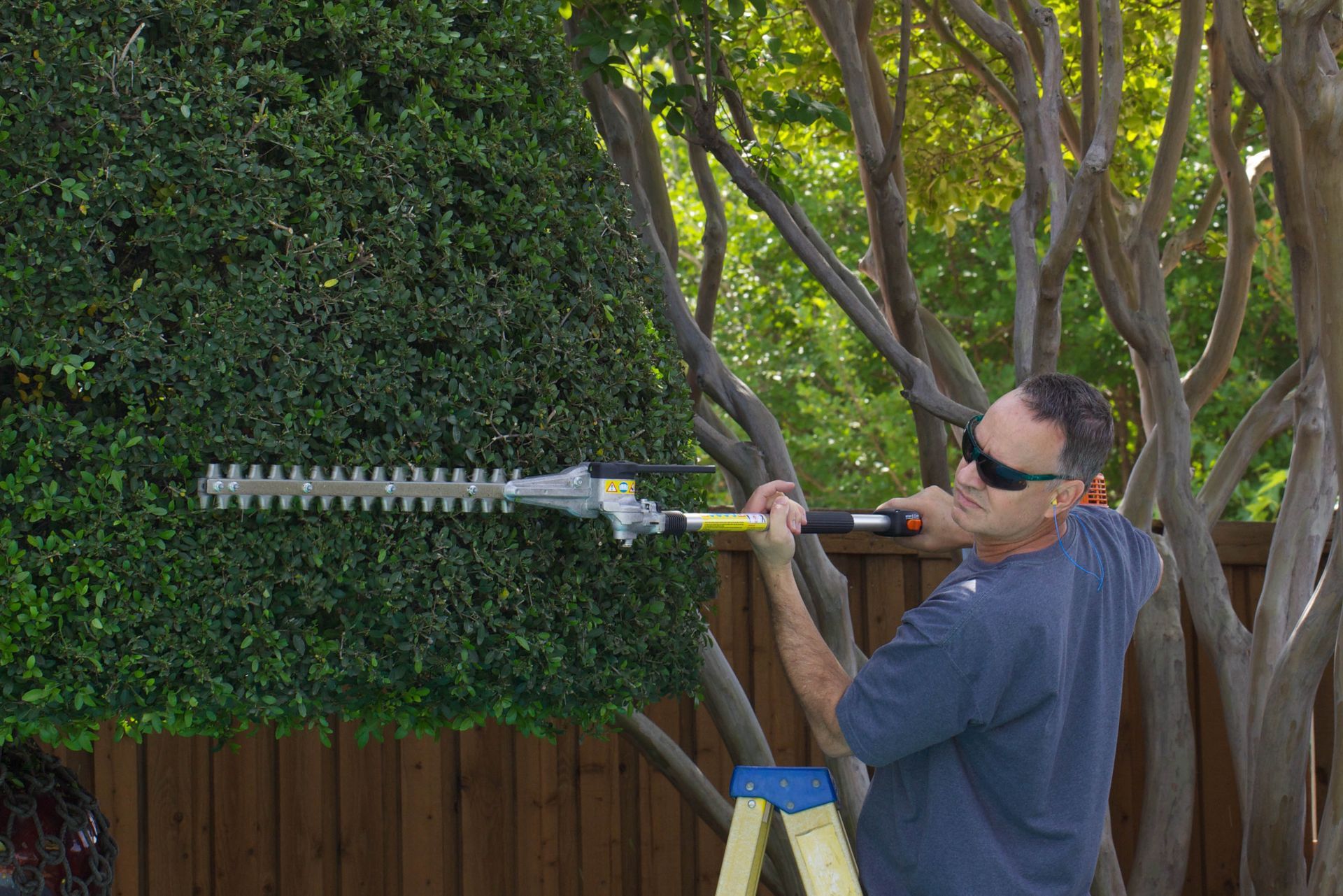
Utilizing the correct tools facilitates effective and safe pruning. Common pruning tools include hand pruners, loppers, and pruning saws, each serving distinct functions based on branch diameter and accessibility. Regular maintenance and sharpening of these tools are fundamental to ensuring clear, clean cuts that minimize stress on trees and promote rapid healing. Professionals in the field emphasize the importance of tool selection and upkeep in reducing the risk of spreading diseases between trees. Investing in quality, well-maintained equipment enhances pruning outcomes and overall tree care practices.
Proper cutting techniques are essential to successful pruning. Cuts should be made at a slight angle just above the branch collar to encourage rapid healing and prevent decay. Thinning out dense branches fosters better light penetration and airflow, promoting balance and reducing disease risks. Over-pruning can stress trees, leading to unwanted sprouting and weakened structure, so it's crucial to maintain a conservative approach. Clear understanding and application of these techniques ensure pruning promotes healthy development and aesthetic appeal.
4. Fertilization Strategies for Vigorous Trees
Evaluating soil nutrient levels is key to determining appropriate fertilization needs. Soil tests help unveil nutrient deficiencies and guide the selection of the suitable fertilizer type and quantity. Establishing baseline nutrient content assists in monitoring and adjusting fertilization practices to cater to specific tree requirements. A balanced nutrient supply fosters robust growth and resilience against diseases and environmental stressors. Regular assessment of soil conditions enables timely interventions, promoting tree vitality.
The decision between organic and synthetic fertilizers hinges on factors such as environmental impact and nutrient release rates. Organic fertilizers, derived from natural sources, contribute to improved soil health and structure with slower nutrient release. Synthetic fertilizers, though fast-acting, may increase the risk of nutrient leaching and soil composition changes over time. Balancing these considerations with environmental goals and immediate tree health needs guides the choice of fertilizers for sustainable tree care. Integrating a fertilization strategy tailored to specific land management objectives enhances long-term landscape health.
Optimal fertilization schedules align with tree growth cycles and seasonal needs. Early spring is typically advantageous for nutrient application, energizing trees for coming growth phases. However, it's crucial to avoid excessive or late-fall fertilization, which may lead to unwanted sprouting or winter vulnerability. Frequency of fertilization depends on the specific tree species, prevailing soil conditions, and the type of fertilizer used. Strategic timing ensures that tree nutrient demands are satisfied without promoting unnecessary growth spurts.
The practice of year-round
tree care integrates diverse strategies that address varying seasonal and species needs, contributing to healthy, vibrant landscapes. Consistent maintenance activities such as watering, pruning, fertilization, and pest management bolster tree health, securing broad environmental benefits and increased property value. According to Research and Markets, the global tree services market is on the rise, increasing from roughly 1.3 billion USD in 2024 to 1.49 billion USD in 2025, and is projected to grow at around 14% annually through 2029. Ultimately, informed and diligent care prolongs tree life, enriching ecosystem services and enhancing the visual appeal of property surroundings. Contact Allied Tree Service Inc today to schedule expert tree care that keeps your landscape thriving all year long.