March 3, 2026
A mature tree can add beauty, shade, and value to your property. It frames your home, cools your yard, and creates a welcoming outdoor space. But when a tree becomes unhealthy, that same asset can quickly turn into a serious liability. What once provided comfort and curb appeal can begin to threaten your home, vehicles, and even your family's safety.
Too often, property owners delay tree removal because they hope the issue will resolve itself, or they underestimate the risks. Unfortunately, unhealthy trees rarely improve with time. In many cases, the longer you wait, the more dangerous and expensive the situation becomes. Here are a few compelling reasons why you shouldn't put off removing a compromised tree.
1. It Can Pose a Serious Safety Hazard
The most urgent reason to schedule tree removal is safety. An unhealthy tree often has weakened limbs, internal decay, or structural instability that makes it prone to falling without warning.
Dead branches can snap off during a mild breeze. A rotting trunk can give way under its own weight. In severe weather, the risk increases dramatically. Falling limbs can injure family members, guests, or neighbors. They can also cause major property damage.
If a tree shows signs of cracking, leaning, hollow sections, or significant limb dieback, it's not just an eyesore. It's a hazard. Acting quickly can prevent a tragic accident and protect everyone on your property.
2. Property Damage Can Be Extensive and Costly
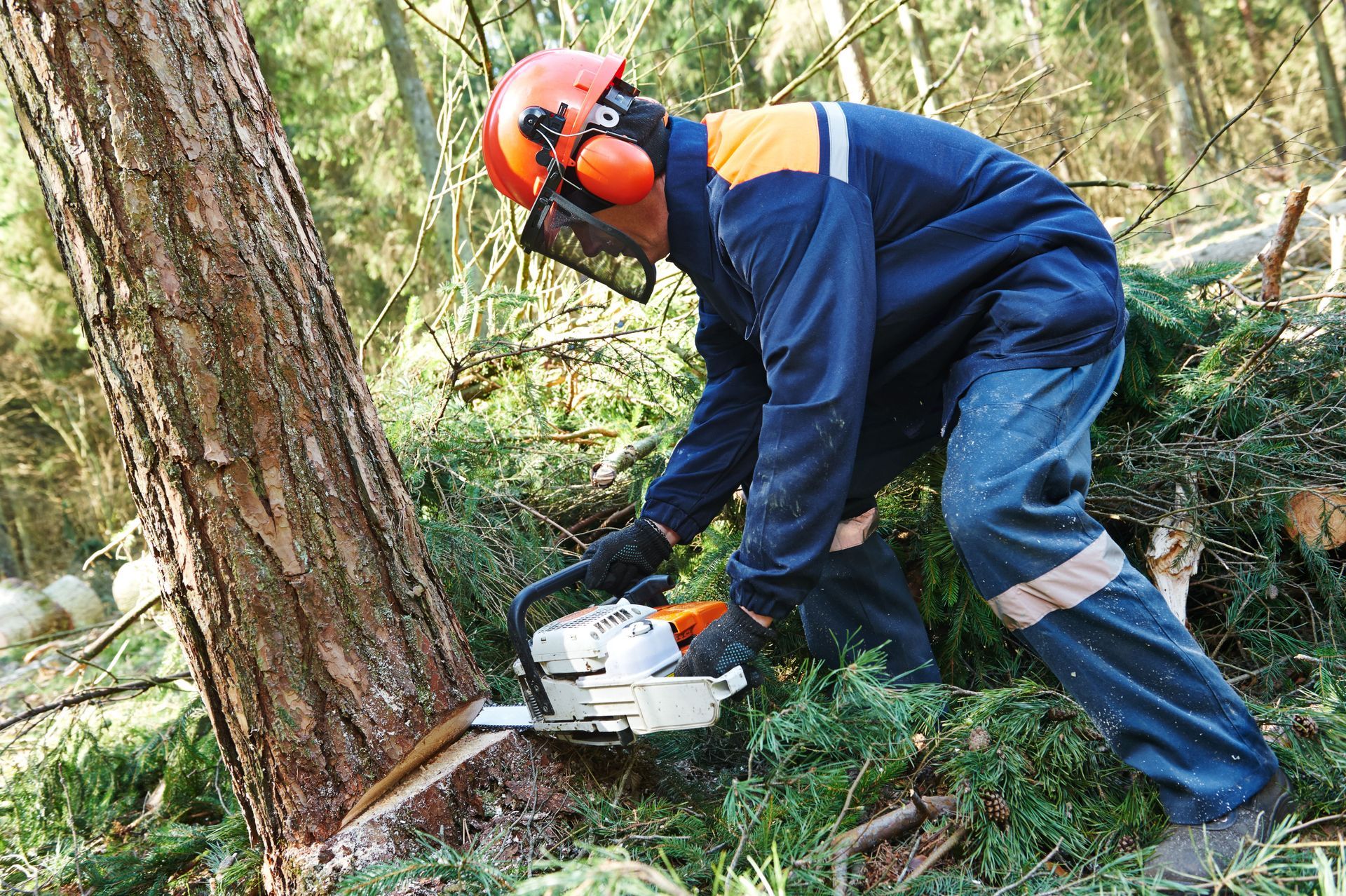
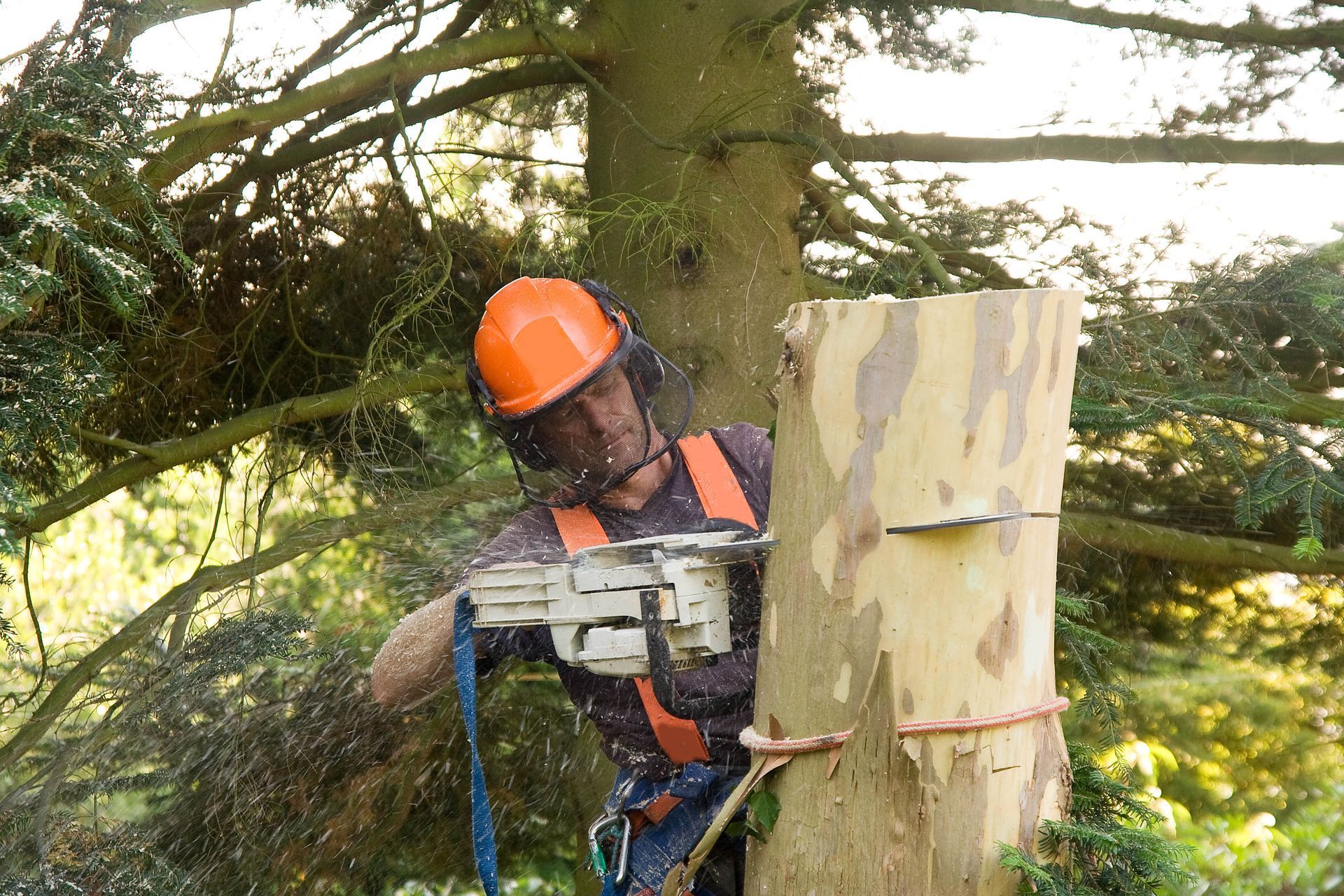
Many homeowners underestimate how complex tree removal can be, especially when dealing with mature or oversized trees. What may look like a straightforward job from the ground can involve significant structural and safety challenges once the work begins. Large trees carry tremendous weight, and their branches often extend over roofs, driveways, fences, and power lines. According to Bob Vila, an online home improvement resource, large trees between 60 and 80 feet tall may need heavy equipment to be safely removed. That can include cranes, bucket trucks, and specialized rigging systems designed to carefully lower sections of the tree without causing damage below.
Without the proper equipment and training, even a single miscalculated cut can cause the tree to shift unpredictably, putting people and property at serious risk. Professional tree removal teams assess the tree's height, condition, and surrounding environment to develop a controlled removal plan, reducing hazards and helping the job move forward safely and efficiently.
A single large limb crashing onto your home can result in thousands of dollars in repairs. If the trunk falls across your roof, the damage could be even more severe, potentially requiring structural repairs and temporary relocation while your home is restored.
Delaying tree removal increases the likelihood of an emergency situation. Emergency services often cost significantly more than planned, proactive removal. Scheduling professional tree removal before disaster strikes gives you more control over the process and your budget.
3. Unhealthy Trees Attract Pests and Disease
A dying or dead tree becomes a magnet for pests. Termites, carpenter ants, beetles, and other wood-boring insects thrive in decaying wood. Once they establish themselves, they may spread to nearby healthy trees or even to your home.
Fungal growth is another concern. Mushrooms or conks growing around the base of a tree often indicate internal decay. Fungal infections can spread underground through root systems, affecting surrounding vegetation.
Prompt tree removal can help stop the spread of infestation and disease before it affects your entire landscape. Protecting healthy trees and plants starts with removing compromised ones.
4. It Can Lower Your Property Value
Curb appeal matters. A property with a visibly unhealthy or dying tree can look neglected. Potential buyers may see it as a red flag, assuming there are other maintenance issues that haven't been addressed. Even if the rest of your home is in excellent condition, a decaying tree in the front yard can dominate first impressions and shift attention away from your home's best features. Overgrown limbs, bare branches, peeling bark, or a noticeable lean can signal deferred maintenance, which may lead buyers to question how well the property has been cared for overall.
Real estate professionals often advise homeowners to take care of obvious hazards before listing a home. A decaying tree leaning toward the house can raise concerns during inspections and negotiations. Buyers may request a price reduction or insist on removal before closing.
Proactive tree removal shows that you maintain your property responsibly. It enhances the overall appearance of your yard and helps preserve your home's value.
5. Storm Season Makes the Risk Even Greater
Unhealthy trees are especially vulnerable during storms. High winds, heavy rain, snow, and ice can all push a compromised tree past its breaking point. When a tree's internal structure has already been weakened by decay, disease, or root damage, it doesn't take extreme weather to cause failure. Strong gusts can twist brittle limbs until they snap, while saturated soil from prolonged rainfall can loosen unstable roots, making it easier for the entire tree to uproot and fall.
A tree that might have stood another year under calm conditions can collapse in seconds during severe weather. When that happens, you're dealing with emergency crews, insurance claims, and significant disruption to your life.
Scheduling tree removal before storm season reduces uncertainty. Instead of worrying every time the forecast predicts strong winds, you'll have peace of mind knowing that the threat has been addressed.
Preventive action is almost always less stressful and less expensive than responding to storm damage after the fact. When you take care of a hazardous tree before severe weather hits, you're making a controlled decision on your timeline rather than reacting to an emergency. You can schedule service at a convenient time, compare estimates, and plan for the work without the pressure of immediate danger.
6. Delays Often Make Removal More Complicated
As a tree continues to decline, its structural integrity worsens. The wood becomes brittle, the branches weaken, and internal decay spreads. What might have been a manageable removal job can become more technically challenging over time.
In advanced stages of decay, trees may need to be dismantled piece by piece to prevent collapse. This can require additional time, labor, and equipment. In some cases, surrounding landscaping or structures may limit access, making the process even more delicate.
Early tree removal allows professionals to work under more stable conditions. A tree that's removed before severe decay sets in is often easier and safer to handle. When the trunk and major limbs still have structural integrity, crews can make precise cuts and control how sections are lowered to the ground. The wood is typically stronger and more predictable, which reduces the likelihood of unexpected splitting, snapping, or shifting during the process.
An unhealthy tree won't fix itself. Over time, it becomes weaker, more unstable, and more likely to cause harm. Whether the risk involves falling branches, pest infestations, property damage, or declining curb appeal, waiting only increases the potential consequences. By taking prompt action and scheduling professional tree removal with the experts at Allied Tree Service Inc, you protect your home, your family, and your investment. Addressing the problem early can save you stress, money, and unnecessary danger. If you suspect a tree on your property is unhealthy, now is the time to act before a manageable issue turns into a costly emergency. Reach out to us today to get started with a free estimate.