February 2, 2026
Removing large or hazardous trees presents significant challenges and requires meticulous planning to ensure safety and minimize environmental impact. The process involves navigating potential risks such as falling debris, proximity to power lines, and surrounding property damage, making it a task best left to professionals. A variety of techniques exist to address these challenges, but they must be chosen and executed with care to prevent accidents and harm. The growing reliance on professional tree services reflects this complexity—according to Research and Markets, the global tree services market increased to $1.49 billion in 2025, and is projected to grow at a compound annual growth rate of about 14% through 2029, underscoring the increasing need for standardized safety practices and skilled arboricultural expertise.
1. Assessing the Tree and Site Conditions
Determining the health and structural integrity of a tree is critical before attempting removal. Professionals assess the tree for signs of disease, decay, and weakness, which are potential indicators of risk during removal. Advanced techniques like sonic tomography and resistograph testing may be employed to analyze the wood's internal condition without invasive damage. Diagnosing issues early on helps decide whether a tree needs complete removal or can be saved through treatment. Ultimately, understanding a tree's health status informs the most appropriate and safe removal strategy.
Recognizing and mitigating hazards at the site is crucial for safe tree removal. Utilities like power lines and nearby buildings pose risks and must be considered when planning removal strategies. Personnel on site should be trained to spot potential dangers to prevent injuries and ensure public safety. Advanced planning, including marking clear zones and establishing safe egress routes, is essential to minimize risks. Regular safety checks and hazard assessments significantly enhance the safety and efficiency of the tree removal process.
Soil type and root system intricacies influence the selection of tree removal methods. Correct assessment of soil characteristics helps anticipate how roots will behave during extraction, affecting stability and potential damage to nearby structures. Sandy soils, for instance, may complicate the use of heavy machinery, whereas clay soils might enhance stability but offer more resistance to penetration. Experienced professionals consider these factors to adapt their removal techniques accordingly. Proper understanding can reduce disturbance and support successful removal with minimal impact.
2. Selecting Appropriate Equipment
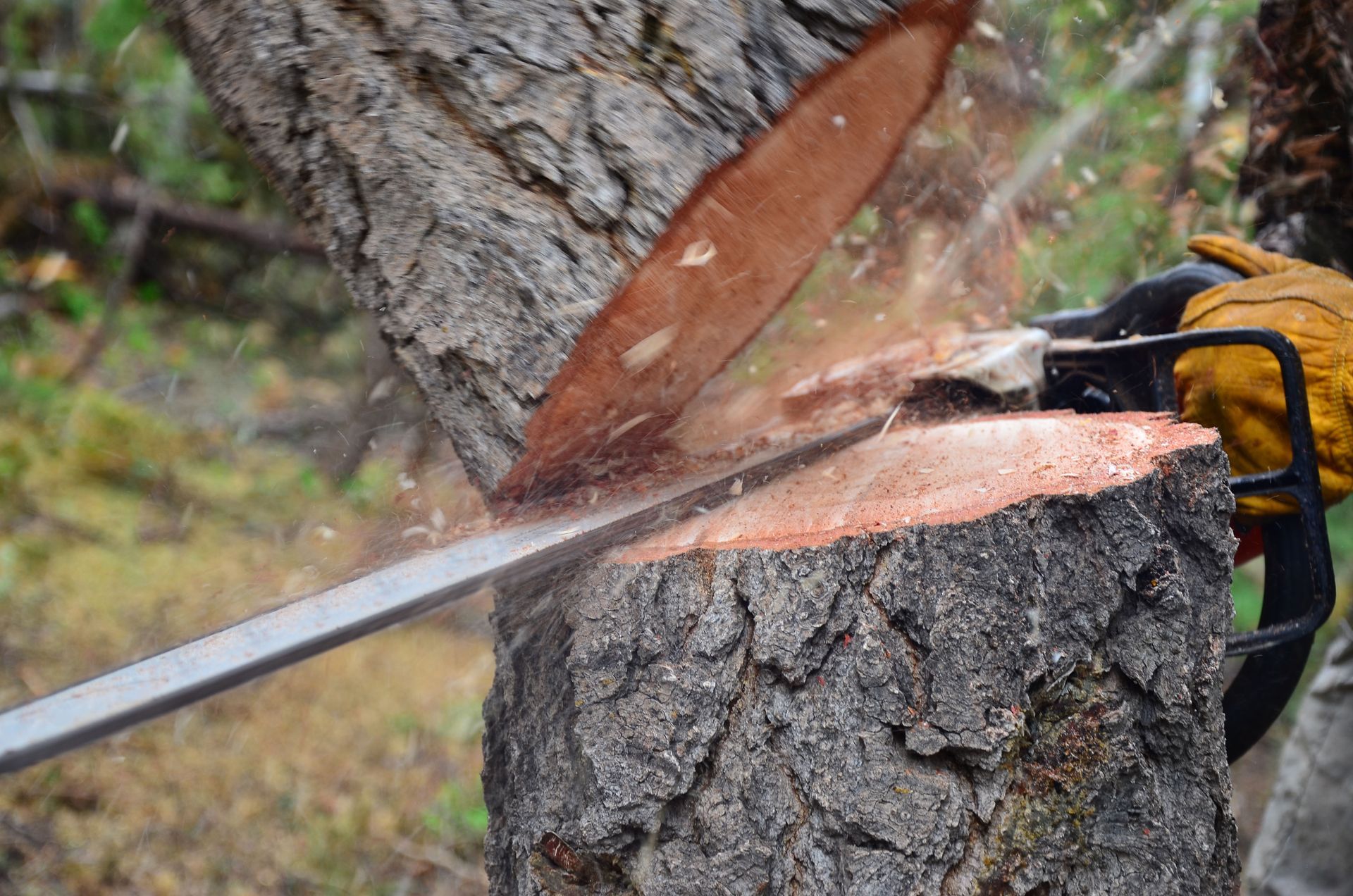
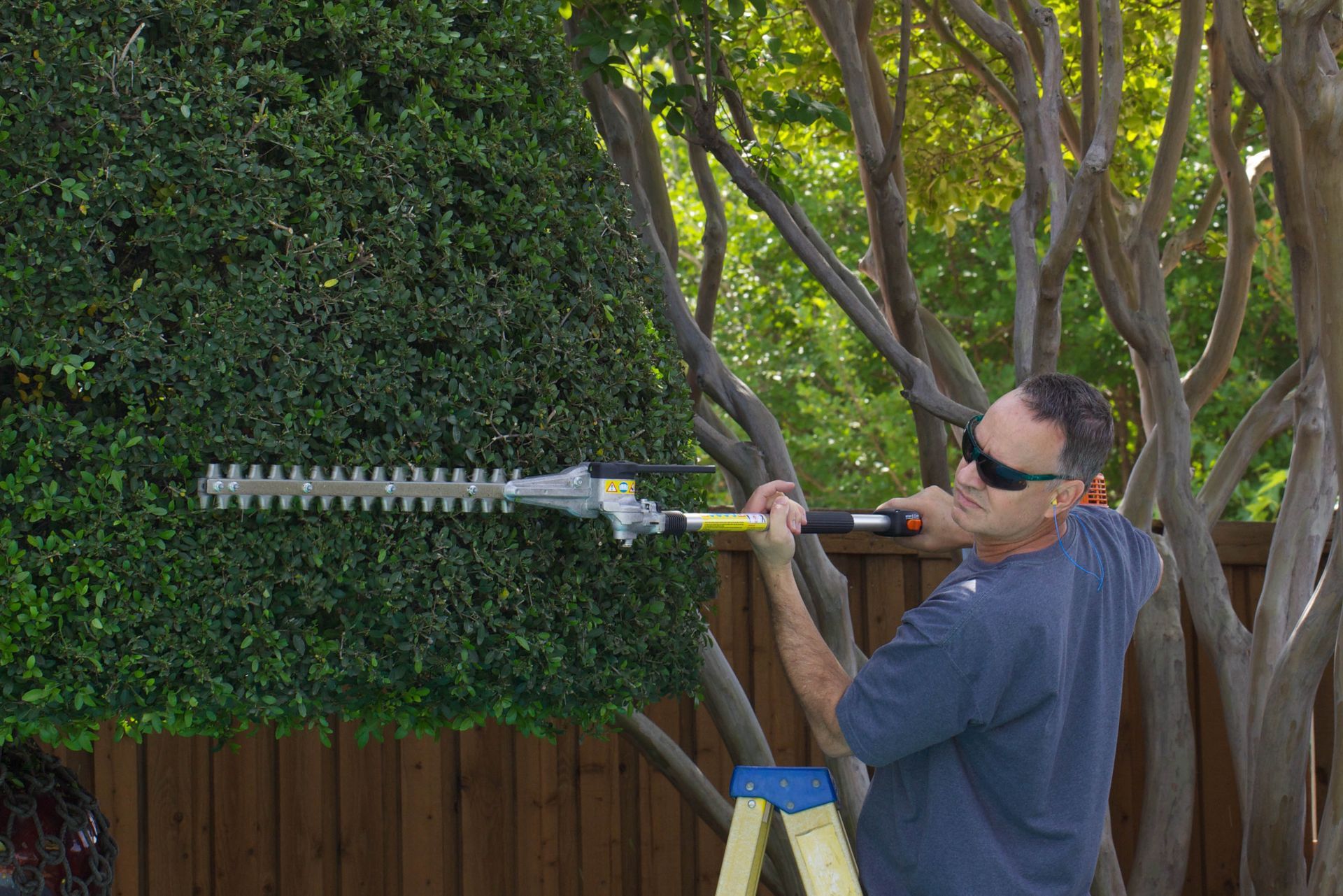
Chainsaws and pole saws form the core equipment for single-tree and limb removal, respectively. Professionals choose saws based on power, size, and functionality to effectively cut through varying tree materials. Electric and gas-powered models offer different benefits and constraints, with professionals often preferring cordless variants for remote operations. Regular maintenance, including chain sharpening and cleaning, is imperative for safe and efficient usage. Quality tools empower professionals to navigate the complexities of large or hazardous tree removal adeptly.
Cranes and rigging systems allow for large-scale tree manipulation from ground level, enhancing safety by minimizing climber involvement. These systems excel in removing heavy limbs and entire trees, particularly when space constraints exist, as they provide precise control over felling direction. Experienced operators coordinate crane movements and rigging setups to prevent accidental missteps and equipment damage. Advanced rigging techniques, such as static and dynamic loads analysis, contribute to secure and efficient arboricultural operations. Properly utilized, cranes and rigging systems create safer work environments and streamline large tree removal.
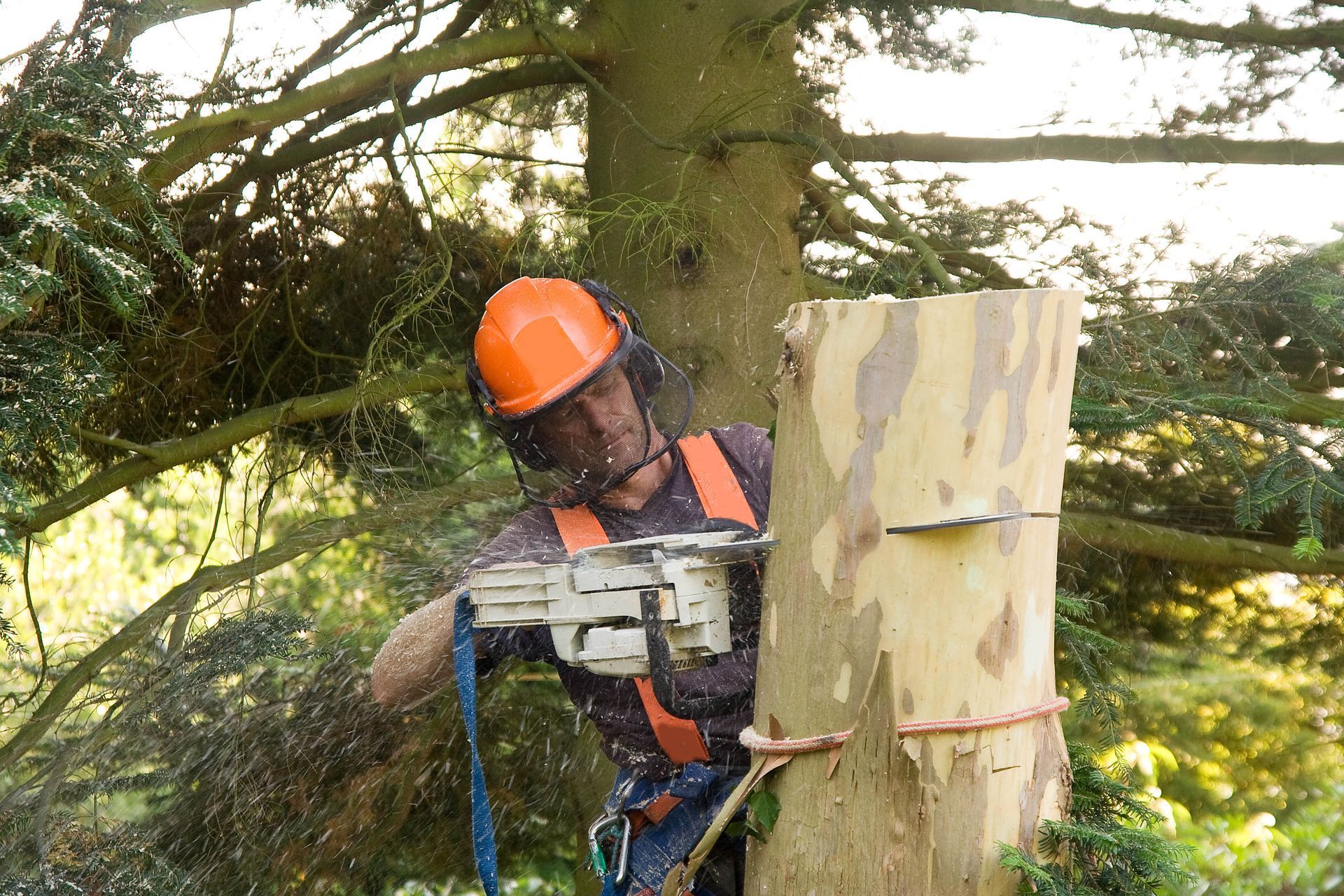
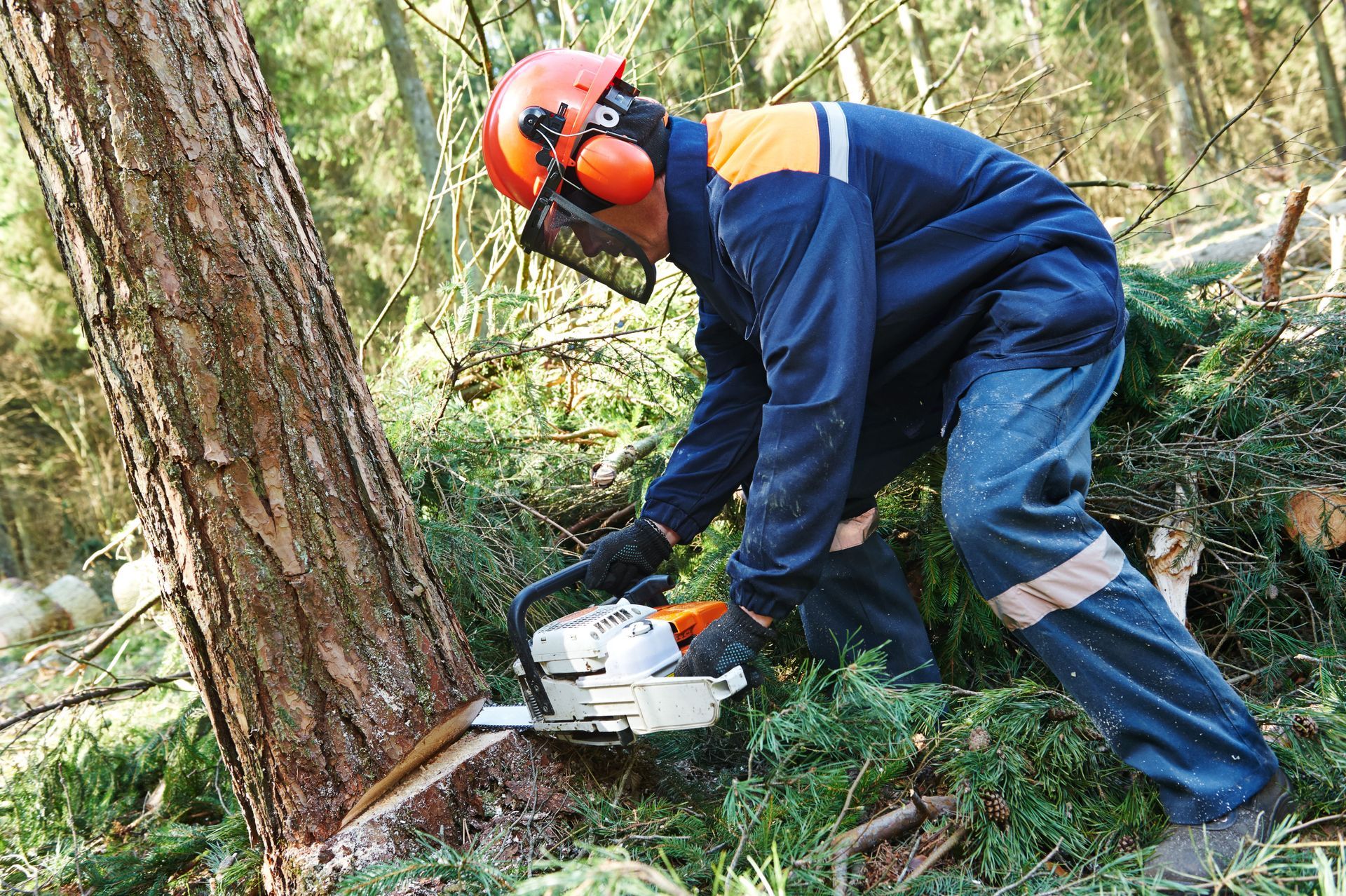
Safety equipment is indispensable when conducting tree removal, protecting workers from injuries. Arborists use helmets, gloves, chaps, and steel-toed boots as barriers against chainsaw mishaps, falling debris, and environmental hazards. Additional protective measures, like hearing protection and high-visibility clothing, enhance safety by reducing distractions and improving awareness. Personal protective equipment (PPE) compliance is non-negotiable, enabling teams to safely navigate challenging removal tasks. Safety gear ensures operational standards are upheld so that the work proceeds without unnecessary risk.
3. Implementing Safe Work Practices
Formulating a detailed safety strategy is crucial before commencing tree removal tasks. Plans must include hazard assessments, emergency procedures, and requisite training for team members, creating a structured approach to risk management. Implementing mock drills and regular safety updates helps reinforce planning initiatives and enhance emergency responsiveness. Collaborative planning sessions drive accountability and align teams toward shared safety goals, further promoting a strong safety culture. A robust safety plan positions teams to manage the complexities of tree removal with confidence and competency.
Professional training and certification signify a high standard of competency in tree removal practices. Certification programs, such as those offered by the International Society of Arboriculture (ISA) or the Tree Care Industry Association (TCIA), ensure adherence to industry standards and competencies. Training covers a broad spectrum of topics, including safety regulations, equipment handling, and advanced removal techniques. Continual education and recertification opportunities keep arborists informed of the latest best practices and innovations. Certification ultimately assures clients of capable and reliable tree service providers.
A spotter serves as a key communicator and overseer during tree removal operations, enabling clear messaging between tree workers and ground crews. They alert team members to potential hazards and monitor the area for bystander safety. Through strategic positioning, spotters enhance visibility and extend situational awareness across larger work sites. Implementing two-way radios or agreed-upon hand signals refines the spotter's communication effectiveness, creating seamless workflows. Spotters foster a safer working environment by ensuring key removal procedures proceed without incident.
4. Prioritizing Techniques for Felling Large Trees
The controlled felling technique focuses on precision and predictability, prioritizing safety and accuracy in tree landing zones. Arborists plan cuts carefully, utilizing back cuts and face-notches to guide tree direction. This method avoids costly missteps by meticulously considering power dynamics, like tree lean and wind influence, before execution. Controlled felling requires synchronized teamwork, with constant communication among participants to adapt to real-time changes effectively. The method's reliability strengthens confidence, ensuring trees fall precisely where intended.
Sectional felling mitigates risk by dismantling large trees piecemeal, reducing potential damage to surrounding structures, and minimizing debris hazards. Technicians utilize ropes and rigging systems to lower tree sections gently to the ground, optimizing control and safety. This approach proves invaluable in urban settings or where clear felling space is limited, protecting both property and personnel. Sectional cuts demand strategic forethought, balancing tree stability with supported loads effectively through prior calculations. Mastering sectional felling enhances operator versatility and adaptability in complex environments.
5. Practicing Techniques for Removing Hazardous Trees
Identifying hazardous trees involves recognizing symptoms and environmental interactions indicative of potential failure. Signs such as cracked trunks, split branches, and exposed roots denote weakened structural integrity, necessitating cautious intervention. Biotic factors, including pest infestations or fungal infections, further weigh on tree stability, exacerbating risk factors. Ultimately, professional hazard assessments bridge arborists' knowledge with practical problem-solving sequences, prioritizing timely, safe resolutions. Proficient risk recognition and preemptive planning contribute to effective hazard management and tree service industry advancement.
Cabling and bracing techniques offer solutions for stabilizing compromised trees, mitigating immediate collapse risks significantly. Implementing cables restricts excessive tree movement under load, reinforcing branch integrity during turbulent conditions. Braces complement cables by structurally augmenting weak points, distributing weight loads uniformly, and mitigating isolated force vectors. These techniques maintain aesthetic and property values for clients hoping to preserve long-standing trees while architects finalize comprehensive plans for removal. Proficient cabling and bracing balance short-term stability solutions and long-term safety assurances effectively.
The removal of large or hazardous trees demands a comprehensive approach that combines careful assessment, specialized equipment, trained personnel, and proven safety practices. Professional arborists bring the expertise and certifications necessary to navigate these complex tasks with confidence, ensuring that even the most challenging removals are handled responsibly. As the demand for tree services continues to grow, prioritizing safety, planning, and professional standards remains essential for effective and sustainable tree removal operations. For professional
tree removal services you can count on, contact Allied Tree Service Inc today.